
The Summer Ants Invaded My Kitchen (And How I Finally Won)
It started with one ant.
I was making coffee, and there it was—a tiny little explorer on my counter, wandering around like it was lost. I smooshed it, wiped the counter, and didn’t think twice.
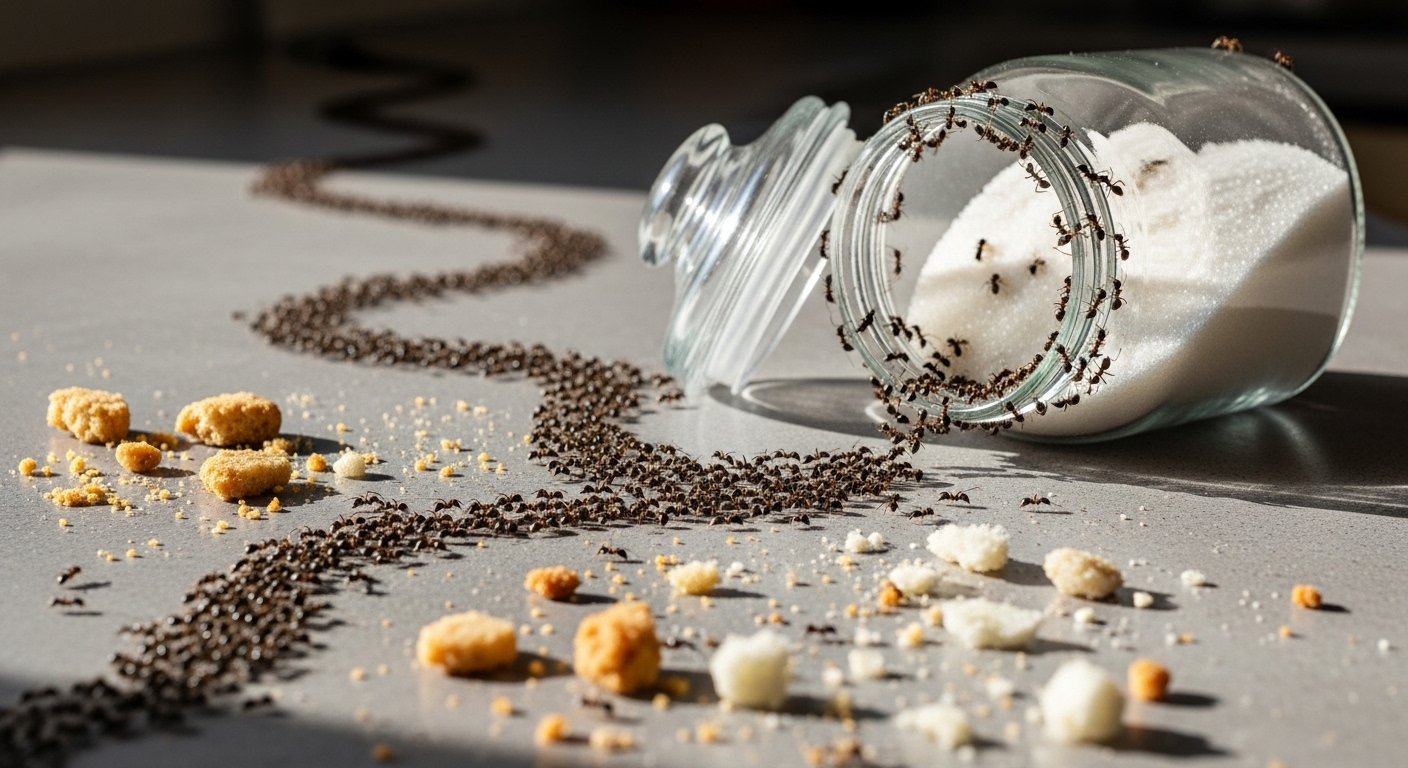
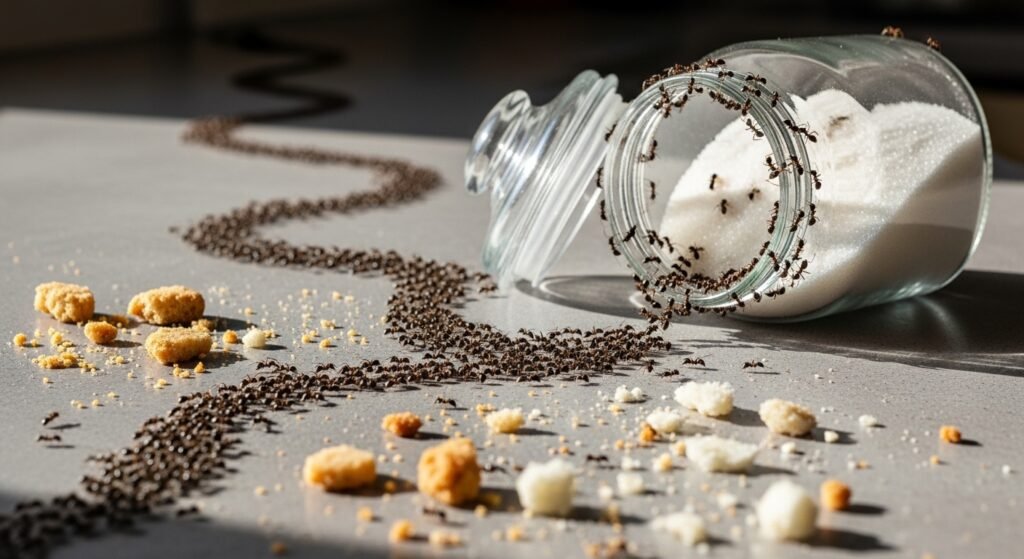
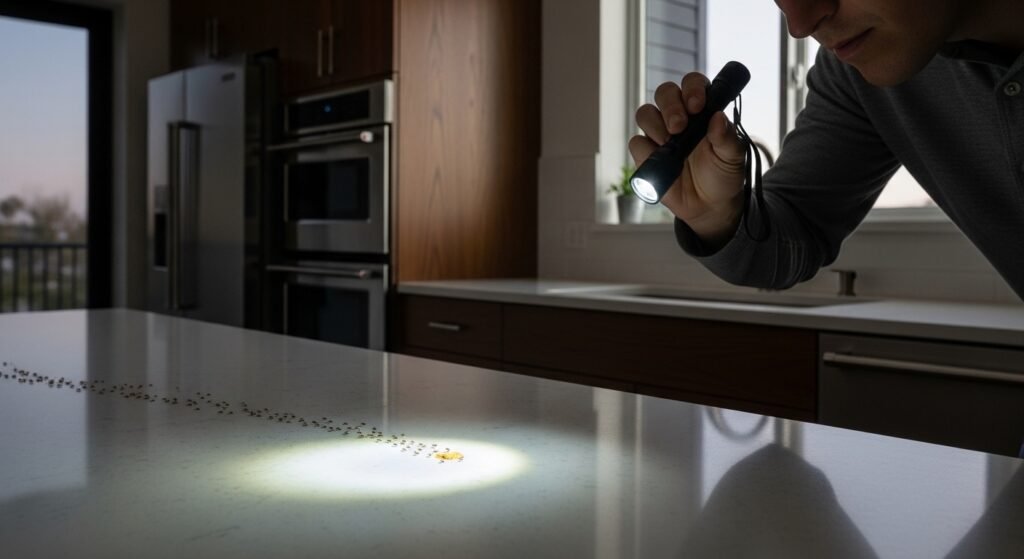
Three days later, there was a full-blown highway of ants running from my window, across the counter, and straight into my sugar canister. Hundreds of them. Moving with purpose. Carrying off the spoils like they’d won some kind of lottery.
I panicked. Started spraying random cleaners. Smooshed them by the dozens. They kept coming.
That was my introduction to the world of kitchen ants. Since then, I’ve learned a lot about how to actually get rid of them—not just kill the ones I can see, but stop them from coming back.
Here’s what worked. And what was a total waste of time.
First, Figure Out What You’re Dealing With
Not all ants are the same. I know, I didn’t think it mattered either. But it does.
Sugar ants (little tiny ones) are looking for sweets. They’ll find your sugar, honey, even crumbs from toast.
Grease ants are after fats and oils. They love your stovetop, the grease trap, any oily residue.
Carpenter ants are big and scary. They nest in wood and can cause damage. If you see these, you might need professional help.
Pavement ants come in from outside through cracks in the foundation.
Watch where they’re going and what they’re after. That tells you a lot about how to fight them.
Step 1: Clean Like You’ve Never Cleaned Before
I’m not saying your kitchen is dirty. But ants have different standards than we do.
That tiny crumb behind the toaster? Ants found it. That sticky spot where you spilled juice yesterday? Ants are throwing a party there.
Go deep:
- Wipe every counter with soap and water
- Pull out appliances and clean underneath
- Sweep and mop floors, especially along baseboards
- Wipe down cabinets inside and out
- Take out the trash and clean the can
Ants follow scent trails. If you remove the smells they’re following, they lose the map.
Step 2: Find Where They’re Coming In
Follow the trail. I mean literally get down on your hands and knees and watch where they go.
In my case, they were coming through a tiny crack where the window frame met the wall. I’d never even noticed it before.
Common entry points:
- Cracks in walls or baseboards
- Gaps around pipes
- Under doors
- Around window frames
- Where utilities enter the house
Once you find it, you can seal it. But first, you need to deal with the ants already inside.
Step 3: Wipe Out the Scent Trails
Ants leave a chemical trail for other ants to follow. It’s like breadcrumbs, but invisible to us.
You need to erase it.
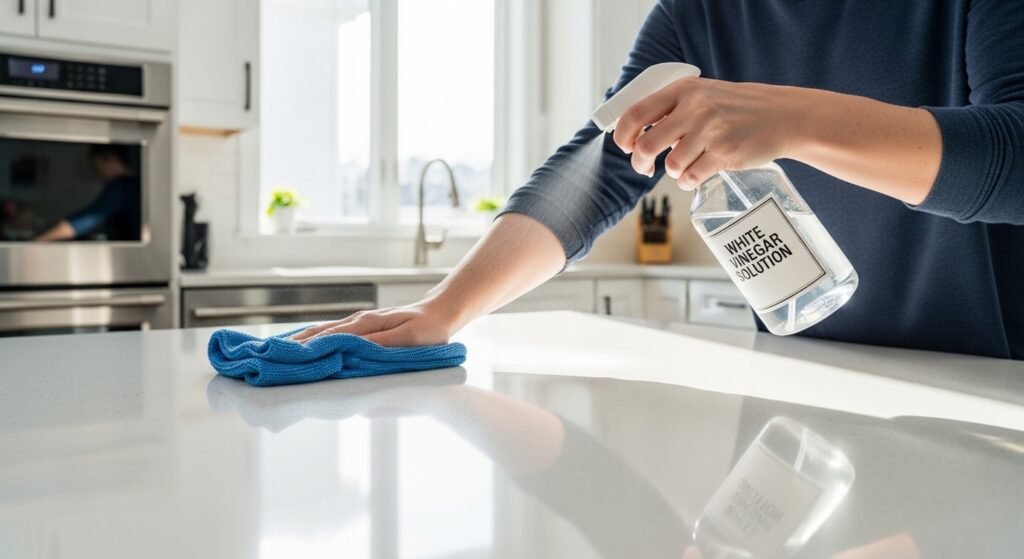
Vinegar solution is perfect for this. Mix equal parts white vinegar and water. Spray it on the trails, wipe it up. It destroys the scent and ants hate the smell.
I went through a lot of vinegar that first week. Spraying counters, baseboards, windowsills—everywhere I saw ants. It disrupts their navigation and confuses the ones behind.
Lemon juice works too. Same concept. Acidic, strong-smelling, messes with their senses.
Step 4: Don’t Just Kill the Ones You See
Here’s where I messed up at first.
I’d see ants and immediately spray them with cleaner. Dead ant, problem solved, right?
Wrong. Those were just the workers. The colony was still out there, sending more.
Baits are the real solution.
Ants take bait back to the nest. They share it. Eventually, it kills the colony including the queen. No queen, no ants.
Sugar-based bait for sweet-loving ants:
Mix borax with sugar water or peanut butter. Place it on small pieces of cardboard or in jar lids where ants are active. They’ll take it home.
Commercial baits work too.
I bought little plastic bait stations and put them near the trails. Within a few days, the ants stopped coming. The stations were doing their job.
Important: borax is toxic. Keep it away from kids and pets. If that’s a concern, stick with commercial baits that have child-resistant packaging.
Step 5: Seal Everything
Once the ants are gone, make sure they can’t get back in.
I caulked that crack by the window. Sealed gaps around baseboards. Added weatherstripping to the bottom of the door. Checked where pipes come through walls and filled gaps with caulk or expanding foam.
It’s not exciting work, but it’s the best prevention.
Step 6: Store Food Like Ants Are Always Watching
Ants can get into things you wouldn’t believe.
I had ants in a sealed cereal box once. They found a tiny gap where the cardboard folded and just… moved in.
Now I store:
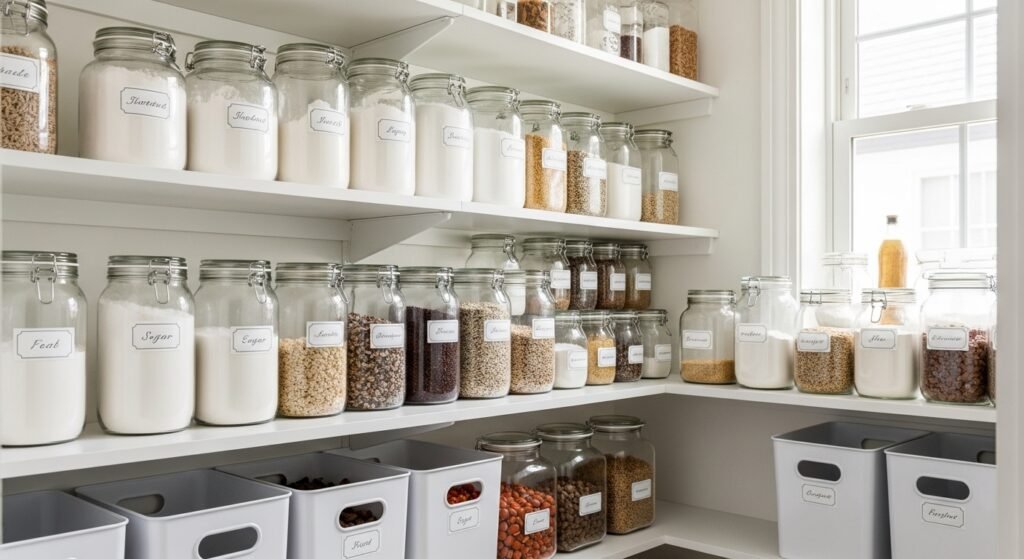
- Sugar, flour, grains in glass jars or airtight containers
- Pet food in sealed bins (not the bag it came in)
- Anything opened in the fridge if possible
If ants can’t smell food, they won’t come looking.
Step 7: Natural Repellents (Worth Trying)
Some things seem to discourage ants from entering certain areas.
- Cinnamon sticks or ground cinnamon along windowsills
- Peppermint oil on cotton balls placed near entry points
- Coffee grounds sprinkled outside entry points
- Bay leaves in pantry shelves
Do these work as well as baits and sealing? Not really. But they might help around the edges, and they smell nice.
Step 8: Watch for New Invaders
Even after you win, stay alert.
I do a quick kitchen scan every evening now. Check counters. Look along baseboards. Make sure nothing’s moving.
If I see a single ant, I don’t panic. I just watch where it goes, clean the area, and maybe put out a small bait as insurance.
A few ants now is better than a thousand later.
What I Learned From My Ant War
That first infestation was awful. I felt like my kitchen wasn’t really mine anymore—just a place ants visited and I happened to also use.
But fighting them taught me something.
Ants aren’t invincible. They’re just persistent. They exploit tiny opportunities we don’t notice. A crumb here, a crack there, a scent trail we can’t see.
Once I closed those opportunities, they had nothing.
Now I keep a cleaner kitchen. Not perfect—I still leave dishes sometimes. But better. And I know what to do if they come back.
The winning combo:
- Clean thoroughly
- Wipe trails with vinegar
- Set out baits
- Seal entry points
- Store food properly
Do all five, not just one or two. That’s what actually works.
What about you?
Ever had ants take over your kitchen? Found something that worked miracles?
Drop a comment and tell me about it. I read them all and I’m always looking for better ideas.
And if this was helpful, pass it to someone who’s currently staring at a line of ants marching across their counter, wondering how it got this bad. We’ve all been there. 🐜